


Projects
-
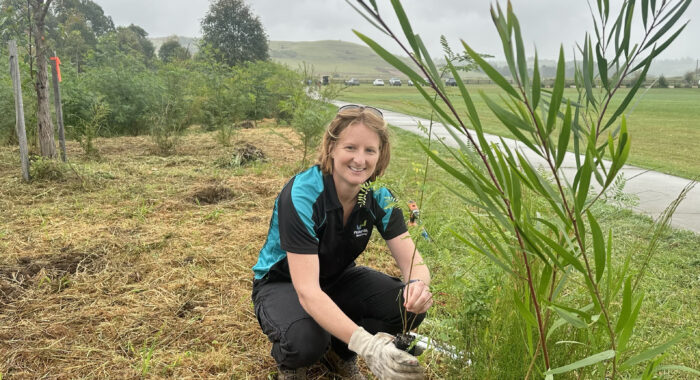
Restoring catchment and community resilience
Restoring Catchment and Community Resilience is a project with Amazon Web Services to enhance the health and resilience of important parts of the Greater Sydney Water Catchment in the Wollondilly Shire. The two-year project is working to restore nature in Picton, Buxton and Thirlmere to improve water yield and quality, boost biodiversity and enhance the resilience of local communities to climate change.
-
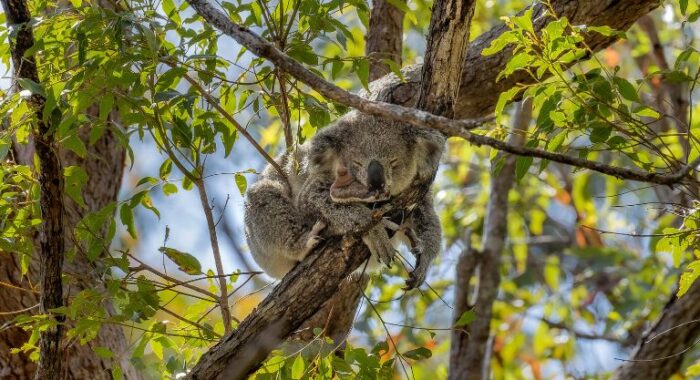
Koala Climate Corridors: Bunyas to Border
Koala Climate Corridors, is a project spearheaded by the Great Eastern Ranges and International Fund for Animal Welfare (IFAW) to create biodiverse climate corridors to help wildlife adapt and communities […]
-
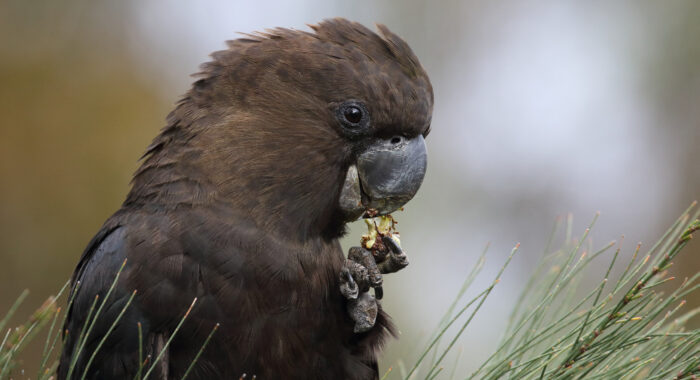
Glideways, Flyways and Stepping Stones
Glideways, Flyways and Stepping Stones is a partnership between the Great Eastern Ranges (GER) and WIRES to support wildlife still recovering from the Black Summer bushfires across south-eastern Australia. Through […]
-
 © Viviene Jones
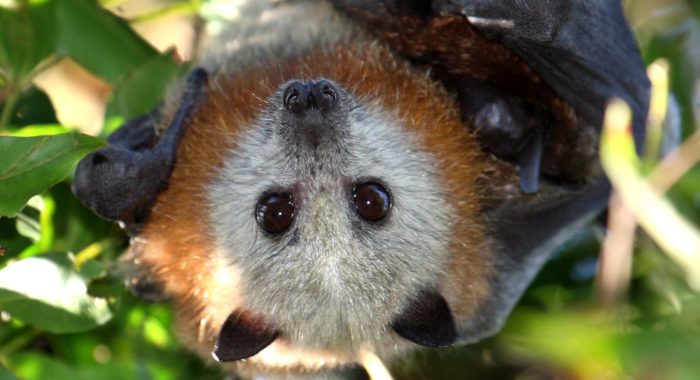
Planting for Pollinators
To help secure the future of our animal pollinators and reduce the risk of disease spill over, GER is working with ecologist Dr Peggy Eby and partners to restore and reconnect flowering trees to boost sources of food for flying foxes and nectar-dependant birds.
-
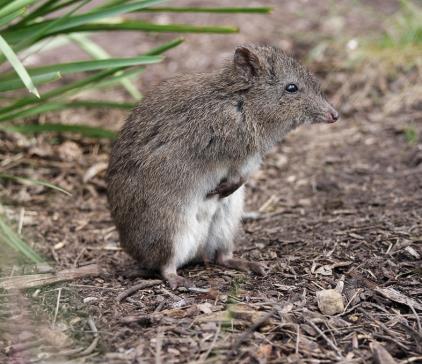
The Thin Green Line
The Thin Green Line project has been working to thicken a connectivity pinch point on the Illawarra escarpment that exists between the Macquarie Pass and Budderoo National Parks. Since 2016, […]
-
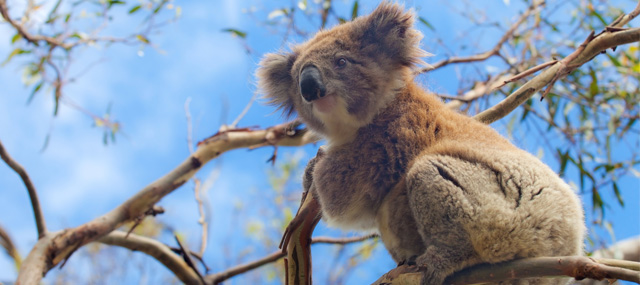
Cores, Corridors and Koalas
Partnering with WWF-Australia to restore and reconnect habitat for koalas in six priority locations across eastern Australia following the devastating bushfires of 2019-2020.
-
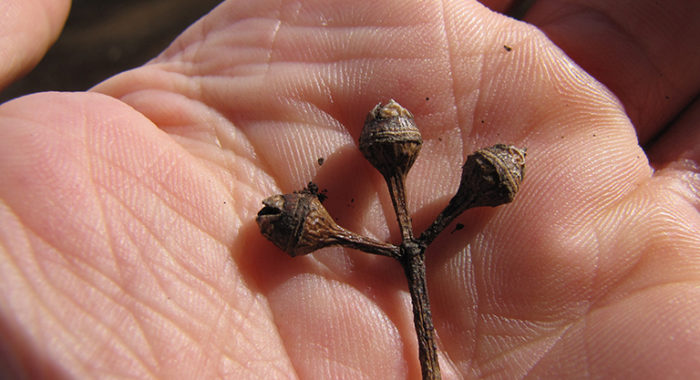
Restoring country, culture and community in hard-hit NSW
The Great Eastern Ranges (GER) initiative has been awarded a significant government grant for a large-scale effort to help restore country, culture and community in four heavily bushfire affected landscapes in New South Wales. Through funding from the Australian and NSW Government’s Bushfire Local Economic Recovery (BLER) Fund, GER is working with its regional partner networks, the International Fund for Animal Welfare (IFAW) and the Community Environment Network, to roll out recovery activities in the NSW North Coast, Blue Mountains, South Coast and Far South Coast.
-
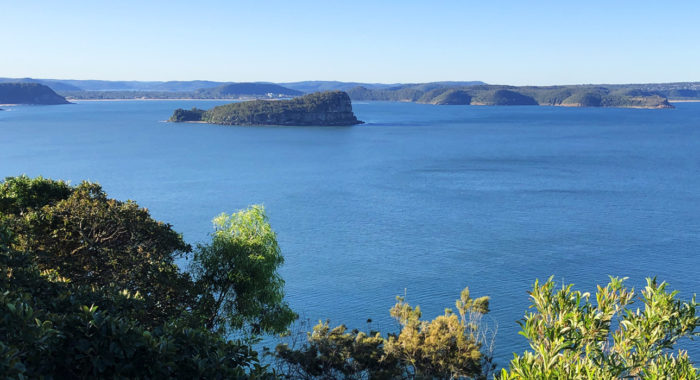
Plains to Pacific
Plains to Pacific is a new GER partner initiative to protect, connect and restore the diverse Hawkesbury Nepean River from the Western Plains at Oberon to the Pacific Ocean on […]
-
Port to Plateau
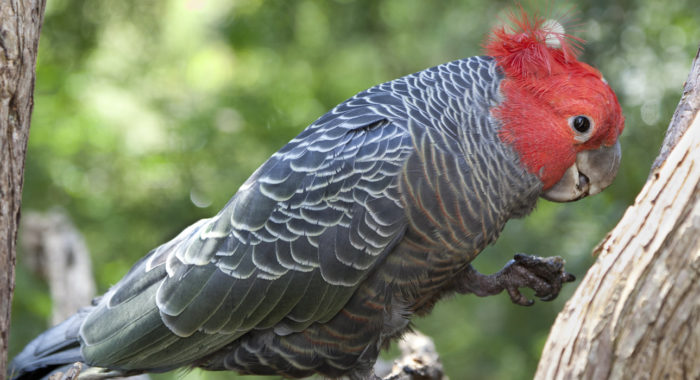
Port to Plateau, spearheaded by local Landcare groups with support from GER, will provide a corridor for wildlife that links the coastal Port Macquarie region with the Comboyne Plateau. This highly diverse landscape, which transitions from eucalypt woodlands to subtropical rainforest, provides an important altitudinal connection for animals moving between the lowland and the ranges.
-
Healing bushfire affected wildlife and communities with IFAW
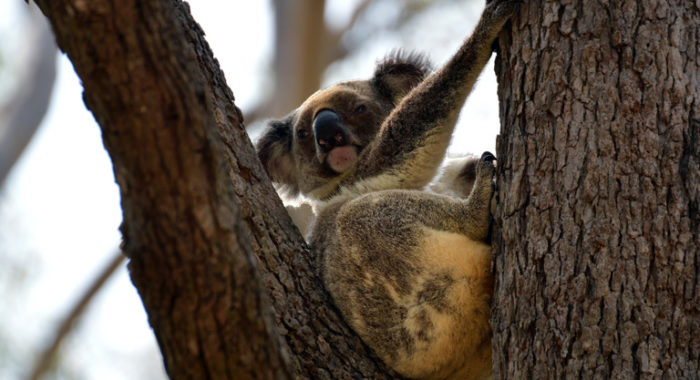
The Great Eastern Ranges (GER) Initiative and the International Fund for Animal Welfare (IFAW) have combined forces to roll out integrated bushfire recovery efforts to support wildlife and people in three priority landscapes in NSW and Queensland. As part of GER’s bushfire recovery program, we are working with IFAW on key activities to restore native forests, assist animals in need and boost community healing and resilience over the next twelve months in the Lockyer Valley, Southern Border Ranges and Greater Blue Mountains.
-
 © Bill Pigot, Berry Landcare
Berry Bush Links
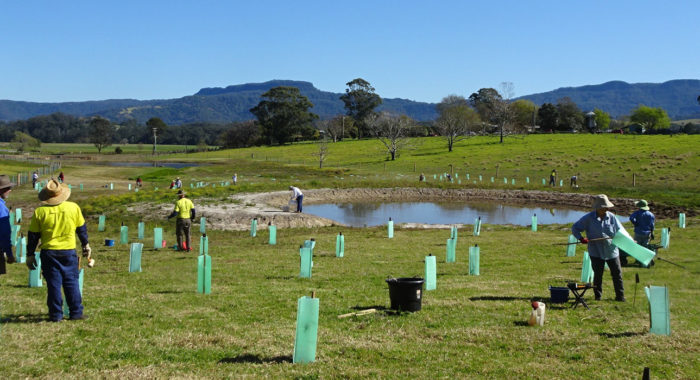
Berry Bush Links is a partnership led by Berry Landcare which is working to reconnect the region’s isolated forests to create a vital corridor for wildlife moving between the coast and the escarpment.
-
 © Taronga Zoo
Glideways in the K2W Link
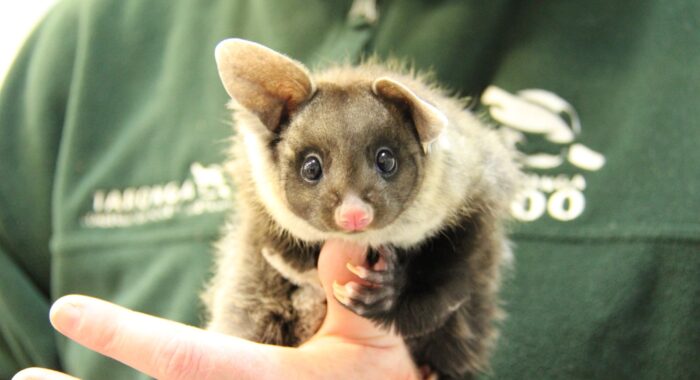
Bringing together local communities to support vitally important populations of Squirrel glider, Spotted-tailed quoll, Scarlet robin and other woodland species in the Bigga and Tuena districts.
-
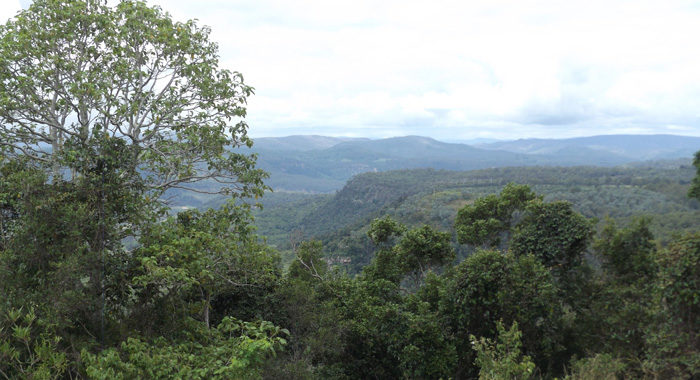
Lockyer Valley ‘health check’ and recovery strategy
Lockyer Valley partners are working to conduct a rapid stocktake of flood damage in the Lockyer Valley to inform long-term recovery and restoration activities. This includes visits to affected landholders to check on their wellbeing and to assess the impacts of the floods on their property, local wildlife and bushland. A new disaster recovery app developed alongside Griffith University is being used to collect and evaluate flood and habitat data, identify key threats to recovery, and pinpoint safe sites for the release of sick and injured wildlife. This data will in turn inform and support the…
-
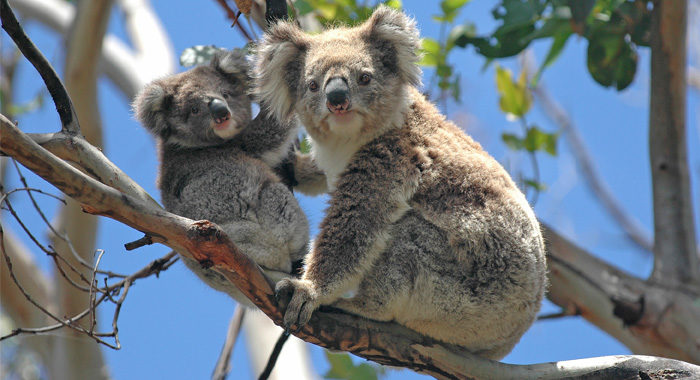
Richmond River Koala Corridor clean-up
To reduce the amount of flood debris polluting the Richmond River and posing a hazard to local wildlife, the Border Ranges Alliance is working with the community to remove waste from key sections of the waterway. The removal of waste is a critical first step in restoring an important riverine koala corridor in the region and helping local communities and wildlife to recover post flood. A flood impact assessment run simultaneously will engage landholders, provide valuable data on emerging threats, and assist with identifying restoration opportunities and priorities.
-
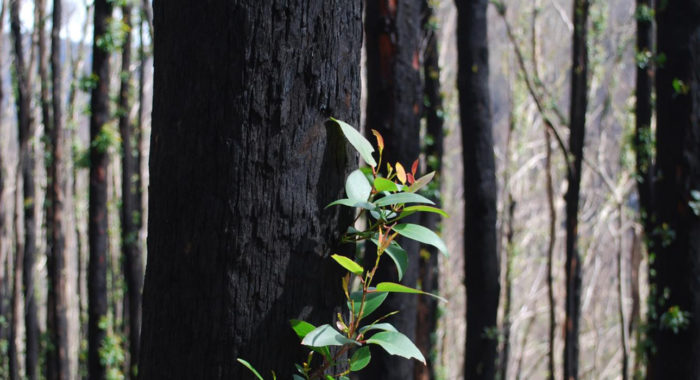 © Flikr | Alpha
Delivering a science-informed bushfire response
To provide a science-informed response to the devastating 2019-2020 bushfires that optimises wildlife and landscape recovery, the Great Eastern Ranges Initiative is supporting a large-scale, cross-tenure research effort.